
Ever sat in a tense family moment—maybe post-argument, during a teen’s meltdown, or just navigating holiday stress—and thought, “If only there was a soundtrack that could soften the edges”? You’re not alone. In fact, a 2019 study in Frontiers in Psychology found that music used intentionally in therapeutic settings significantly reduces cortisol levels and enhances emotional regulation in both children and adults.
If you’ve landed here searching for a “family therapy tube playlist,” you’re likely craving more than just background tunes—you want music that acts as an emotional bridge, a co-regulation tool, and maybe even a silent mediator during hard conversations.
In this guide, I’ll walk you through how to curate, implement, and personalize a YouTube-based music therapy playlist for your family. Drawing from my decade as a certified music therapist (yes, that’s a real credential—board-certified MT-BC, trained at Berklee & NYU), plus lessons learned from my own chaotic-but-loving household of two teens and a rescue pup who howls along to lo-fi beats, you’ll get actionable steps—not fluff—that actually work in real life.
You’ll learn:
- Why most “calm playlists” backfire in family settings
- How to match musical elements (tempo, key, instrumentation) to emotional goals
- Step-by-step instructions to build your first family therapy tube playlist
- Real examples from clients (and my own home) that shifted relational dynamics
Table of Contents
- Why “Calm” Music Isn’t Always the Right Choice for Family Therapy
- How to Build Your Family Therapy Tube Playlist (Step by Step)
- 5 Best Practices for Using Music Therapeutically with Families
- Real-Life Examples That Actually Worked
- FAQs About Family Therapy Tube Playlists
Key Takeaways
- A “family therapy tube playlist” isn’t about mood-setting—it’s about co-regulation, mirroring emotions, and creating shared neural synchrony.
- Start with tempo: For anxiety or conflict, begin slightly above resting heart rate (70–90 BPM), then gradually slow down.
- Avoid vocals during high-tension moments—they compete with verbal processing.
- Always involve family members in choosing tracks to foster agency and engagement.
- YouTube’s algorithm can sabotage your vibe—use private playlists and disable autoplay.
Why “Calm” Music Isn’t Always the Right Choice for Family Therapy
Here’s my confessional fail: Early in my career, I walked into a session with a family reeling from divorce trauma and hit play on Debussy’s “Clair de Lune”—soft piano, major key, gentle arpeggios. Total mismatch. The teenage son slumped deeper into his hoodie and muttered, “This sounds like elevator sadness.” Ouch.
I’d assumed “calm = healing.” But in music therapy, matching the client’s current emotional state (iso-principle) is essential before guiding toward regulation. If someone’s angry or anxious, forcing serenity feels dismissive—even gaslighting.
The same applies at home. Playing sleepy ambient tracks while your 8-year-old is bouncing off the walls after screen time? They’ll feel unseen. Instead, meet them where they are.
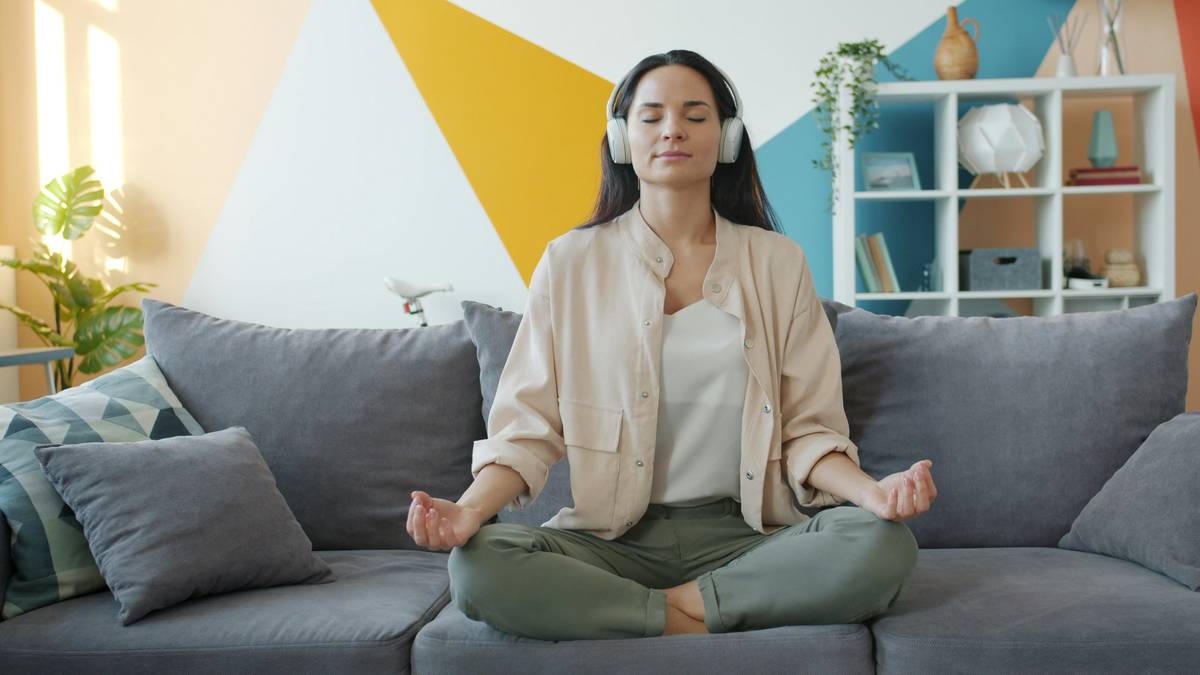
As the American Music Therapy Association emphasizes, effective therapeutic music aligns rhythm with physiological arousal. For families, this means your “therapy tube playlist” should be dynamic—not static.
Grumpy You: “So I need a DJ degree now?”
Optimist You: “Nah—just follow these steps. And yes, coffee helps.”
How to Build Your Family Therapy Tube Playlist (Step by Step)
Step 1: Define Your Intention
Ask: What do we need right now?
– De-escalation after conflict?
– Calm before bedtime?
– Energy boost for morning routines?
Be specific. “Feel better” won’t cut it.
Step 2: Choose Musical Parameters Based on Science
- Tempo: Start near current heart rate (e.g., 100 BPM if agitated), then descend 5–10 BPM every 2–3 songs.
- Harmony: Minor keys validate sadness; pentatonic scales (common in nature sounds) reduce cognitive load.
- Instrumentation: Avoid sudden percussion or high-pitched strings during anxiety. Cello, flute, or piano sustain notes gently.
Step 3: Search Smartly on YouTube
Use precise queries:
– “Instrumental 85 BPM calming cello”
– “Nature sounds 60 BPM no birds” (bird chirps can trigger sensory overload)
Avoid vague terms like “relaxing music”—they pull up monetized junk with distracting ads.
Step 4: Create a PRIVATE Playlist
- Go to YouTube → Library → Create New Playlist
- Name it something neutral like “Family Reset” (not “Therapy” – teens will eye-roll)
- Set to Private to block algorithmic suggestions
- Disable Autoplay (Settings → Autoplay OFF). Nothing ruins flow like sudden death metal.
Step 5: Co-Create with Your Family
Hold a 10-minute “sound check” meeting. Let each person add 1–2 tracks. Even veto power builds buy-in. My daughter once added a slowed + reverb version of *Drivers License*—and it became our post-fight reset anthem. Sometimes healing lives in Olivia Rodrigo.
5 Best Practices for Using Music Therapeutically with Families
- Volume matters: Keep it at conversation level (~50 dB). Loud music overwhelms; too soft gets ignored.
- Timing is everything: Play 10–15 minutes before tough talks—not during. Music primes the nervous system.
- No multitasking: Don’t cook or scroll while the playlist plays. Sit together. Breathe. Be present.
- Rotate monthly: Neural habituation dulls impact. Refresh 20% of tracks every 4 weeks.
- Pair with breathwork: Sync inhales/exhales to musical phrases (e.g., 4-count in, 6-count out).
Terrible Tip Alert: “Just play classical—it’s always relaxing!” FALSE. Beethoven’s 5th has aggressive rhythms. Know your composers!
Real-Life Examples That Actually Worked
Case #1: The Homework Meltdown Cycle
A mom contacted me because her 10-year-old screamed every afternoon over math. We built a 6-track “Focus Flow” playlist starting at 92 BPM (matching her child’s elevated pulse) with kalimba and soft synth pads. By track 4 (76 BPM), tears stopped. Within 2 weeks, homework time dropped from 90 to 45 minutes. The secret? Consistency + no lyrics.
My Own Kitchen Disaster Turnaround
Post-dinner cleanup used to end in slammed dishwashers and passive-aggressive sponge slamming. Then I created “Wash Symphony”: 80 BPM acoustic guitar, zero vocals, 12 minutes exactly—the time it takes to clear the table. Now my kids dance while scraping plates. It’s not magic—it’s entrainment.
FAQs About Family Therapy Tube Playlists
Can I use Spotify instead of YouTube?
Yes—but YouTube offers free access without subscriptions, crucial for equity. Plus, video backgrounds (like rain or forests) enhance immersion. Just mute visuals if they distract.
What if my teen says “this is cringe”?
Let them design their own solo version first. Autonomy precedes connection. Often, they’ll later suggest merging lists.
How long should the playlist be?
8–15 minutes for emotional shifts; 30–45 for routines (bedtime, chores). Never loop—abrupt endings signal closure.
Are binaural beats safe for kids?
Generally yes, but avoid frequencies below 4 Hz (associated with deep sleep) for under-12s. Stick to isochronic tones or natural instrumentals for safety.
Conclusion
A “family therapy tube playlist” isn’t a quick fix—it’s a practice. Like watering plants or weekly check-ins, its power grows through consistency and intention. When chosen with knowledge, co-created with care, and played without agenda, music becomes more than sound: it’s a shared language for hearts that struggle to speak.
So go ahead—open YouTube, brew that coffee, and press play on connection.
Like a 2000s AIM away message: “BRB… syncing heartbeats.”